

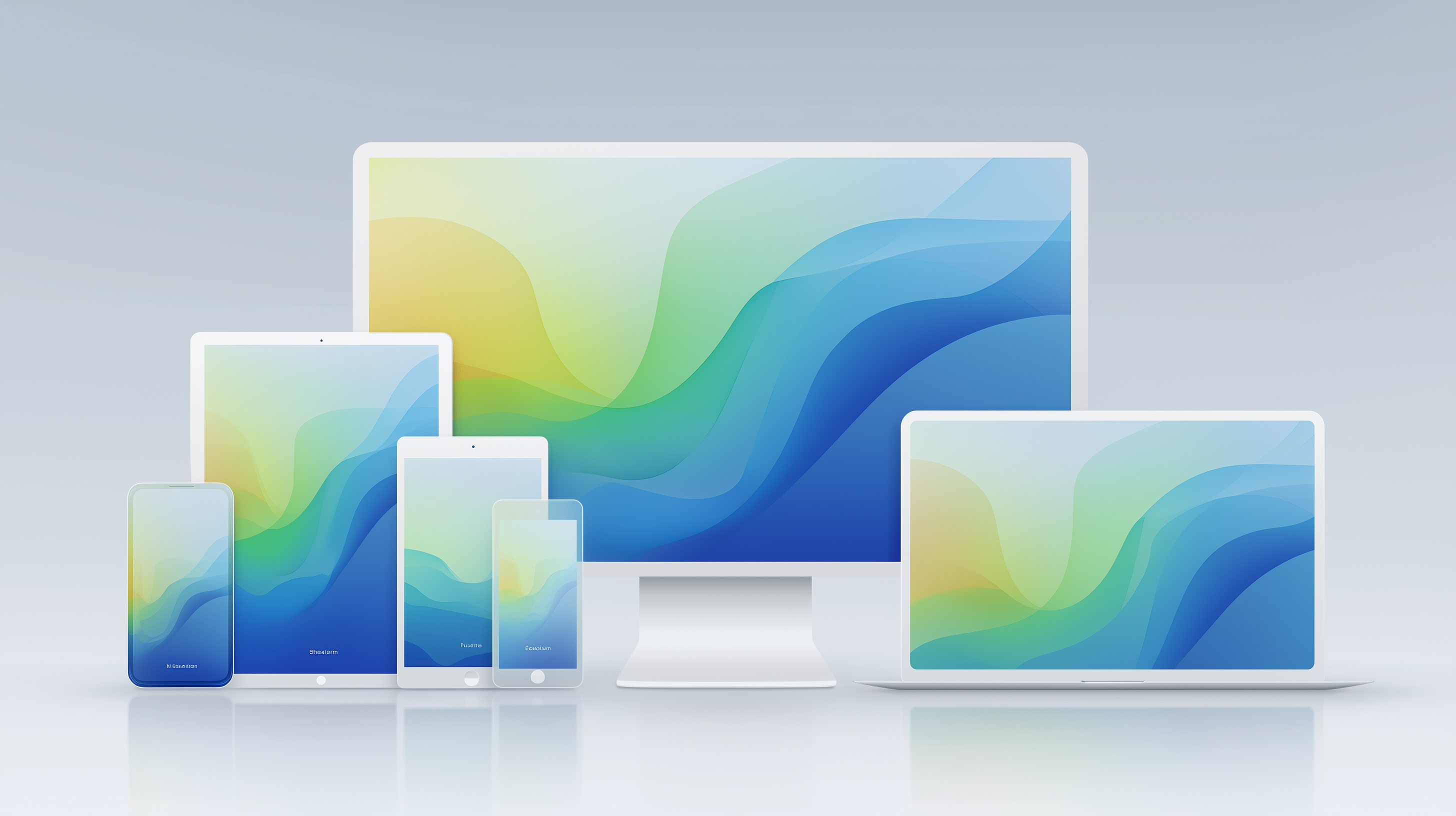
Expanding your export business internationally is exciting but challenging. One of the most overlooked hurdles is creating consistent, localised user experiences that resonate with diverse customers worldwide—without blowing your budget. For exporters navigating multiple markets, design systems have become a vital tool for scaling user experience (UX) efficiently while significantly cutting localisation costs.
With global trade evolving rapidly in 2026, design systems have transformed beyond just pattern libraries. They now act as dynamic, intelligent frameworks that empower exporters to deliver consistent, localised digital experiences that reflect regional nuances. This article unpacks why design systems matter more than ever, how they help exporters cut costs, and practical steps to embrace them for growth.
Why Design Systems Matter More Than Ever for Exporters
Consistent UX is a cornerstone of trust and brand recognition, crucial elements when entering new international markets. For exporters, the stakes are even higher. You need to respect and embrace linguistic, cultural, and legal differences without losing your brand’s coherence. Doing this manually, project by project, quickly becomes expensive and slow.
A well-crafted design system abstracts and standardises your brand’s core components—typography, colours, UI elements—making them reusable and adaptable across regions. But in 2026, mature design systems go much further. They integrate advanced technologies like generative AI and design tokens to automate localisation processes, dynamically adjusting layouts, content spacing, and even typography for different languages and cultural contexts.
This means your website or digital platform can smoothly switch from English to Sinhala or Tamil, adjust for right-to-left scripts, or comply with region-specific legal requirements automatically. You no longer depend on handcrafted patches or costly redesigns for each market.
For exporters in mobile-first economies or emerging markets such as those in South Asia, this capability enhances customer engagement and trust by offering experiences that feel native, not translated.
How Design Systems Help Slash Localisation Costs
Localisation can account for a substantial portion of your export digital budget. Without scalable systems, you risk ballooning expenses on translation, design revisions, compliance checks, and testing for every new market entry.
Design systems tackle cost challenges head-on by:
- Separating content from code: This avoids hardcoded text that requires manual fixes, allowing seamless translation workflows and updates without breaking the UI.
- Automating repetitive localisation tasks: Integration with translation management platforms streamlines human-AI collaboration, reducing turnaround time and errors.
- Dynamic adaptation of UI elements: Components automatically resize or reposition based on text length or script direction, cutting down manual layout fixes.
- Ensuring regional compliance: Pre-built, configurable modules for local legal requirements (like cookie consent or tax information) prevent expensive last-minute overhauls.
- Providing analytics for localisation workflows: Detailed insights identify bottlenecks and costly processes, enabling optimisation before problems grow.
By investing upfront in a design system built for localisation, exporters avoid costly rework phases later. Faster time-to-market for new regions directly impacts revenue, while consistent UX protects brand reputation.
The Cost Side of Localisation Without a Design System
Exporters who start with simplistic, static websites often encounter painful scaling issues. For example, a website not designed for localisation may:
- Break layouts when translated text expands or contracts
- Require multiple design revisions for each language, doubling design hours
- Expose brands to legal risks due to overlooked regional compliance
- Suffer from inconsistent brand presentation, eroding trust in foreign markets
- Lead to longer development cycles, delaying launches and reducing responsiveness to market changes
Many companies realise these pitfalls only after investing in multiple market launches. This is understandable—when businesses are just starting international journeys, budget constraints often lead to choices that make sense at the time. Yet when your business outgrows those solutions, the hidden costs multiply and slow growth.
A design system tailored to export localisation is the bridge between initial cost control and sustainable scaling. It turns localisation from a costly afterthought into a scalable, streamlined component of growth.
Practical Steps to Get Started
If you want to scale your export business’s UX while cutting localisation costs, start with these practical steps:
- Assess your current digital assets: Identify inconsistencies, manual localisation efforts, and bottlenecks.
- Define localisation requirements early: Consider languages, scripts, legal rules, and cultural nuances from the start.
- Build or adopt a design system with localisation in mind: Choose one that supports dynamic content and regional adjustments.
- Integrate translation management tools: Align your design system with platforms that blend AI and human translators efficiently.
- Train your teams: Ensure designers, developers, and content creators understand localisation workflows tied to the design system.
- Track and analyse localisation workflows continuously: Use insights to fine-tune automation and resource allocation.
By following this approach, exporters can deliver harmonised digital experiences to diverse customers, accelerate market entry, and reduce ongoing localisation overhead.
Taking the Next Step
Expanding globally is never easy—but with the right tools, your export business does not have to pay the price in frustration, time delays, or inflated localisation budgets. Design systems built for dynamic, automated localisation offer a clear path to scaling user experiences without sacrificing quality or brand integrity.
Having worked extensively across Asian markets, 3CS understands the localisation challenges exporters face. We help businesses implement future-ready design systems that empower growth across multiple regions with confidence and cost control.
Want to explore how we can help? Request a quote or book a free consultation to discover what’s possible for your export business.